

Energy Efficiency in Healthcare Facilities: How Can Hospitals Become More Sustainable?
Hospitals are among the most energy-intensive facilities due to their 24/7 operations and complex infrastructure. Operating rooms, intensive care units, imaging systems, and HVAC systems require continuous energy, leading to high operational costs and significant environmental impact.
For this reason, energy efficiency in healthcare facilities is not only about reducing costs, it is also a key factor in building sustainable healthcare systems. With the right infrastructure planning and smart technologies, hospitals can significantly reduce energy consumption while improving operational performance.
Major Sources of Energy Consumption in Hospitals
To improve energy efficiency, it is essential to identify the primary sources of energy consumption within healthcare facilities.
Key contributors include:
- HVAC systems (heating, ventilation, air conditioning)
- Medical and imaging equipment
- Lighting systems
- IT infrastructure and data centers
- Water heating and sterilization systems
Optimizing these areas can lead to substantial energy savings.
HVAC Optimization
HVAC systems account for the largest portion of energy use in hospitals, while also playing a critical role in infection control.
Energy-efficient HVAC strategies include:
- Smart automation systems
- Variable Air Volume (VAV) systems
- High-efficiency filtration
- Heat recovery solutions
Proper HVAC design ensures both energy savings and patient safety.
Energy-Efficient Medical Equipment
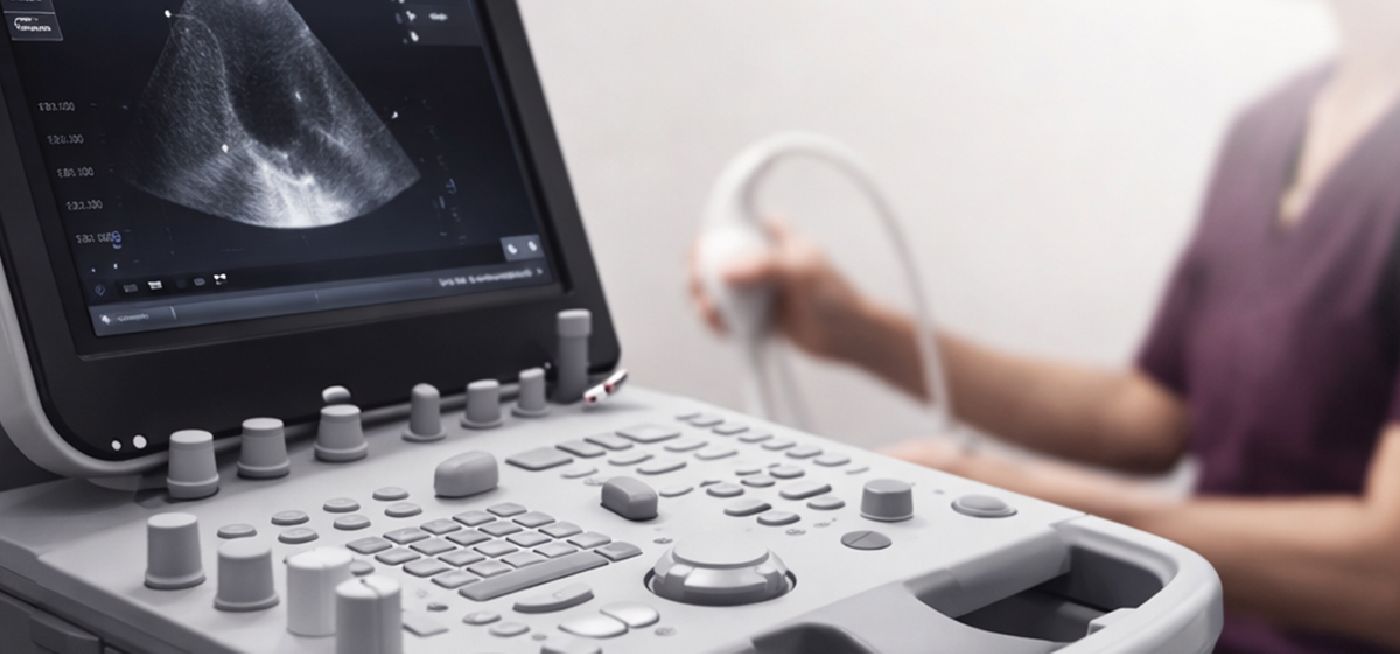
Medical devices are another major contributor to hospital energy consumption. Imaging systems such as MRI, CT, and ultrasound require significant power.
Selecting energy-efficient equipment:
- Reduces energy consumption
- Minimizes heat generation
- Lowers HVAC load
- Decreases long-term operational costs
Energy efficiency should therefore be a key factor in medical equipment procurement.
Smart Hospitals and IoT Solutions
Digital transformation plays a crucial role in improving energy efficiency. IoT-based systems and smart building management platforms allow real-time monitoring of energy usage.
These technologies enable hospitals to:
- Analyze energy consumption
- Detect inefficiencies
- Automate optimization processes
- Predict maintenance needs
Smart hospital solutions are essential for building sustainable healthcare environments.
Smart Hospitals and IoT Solutions
Digital transformation plays a crucial role in improving energy efficiency. IoT-based systems and smart building management platforms allow real-time monitoring of energy usage.
These technologies enable hospitals to:
- Analyze energy consumption
- Detect inefficiencies
- Automate optimization processes
- Predict maintenance needs
Smart hospital solutions are essential for building sustainable healthcare environments.
Clinical Engineering and Energy Management
Energy efficiency is not only about technology, it also requires effective management. Clinical engineering teams play a key role in optimizing both medical devices and infrastructure systems.
A clinical engineering approach helps to:
- Optimize energy usage
- Improve system performance
- Reduce unnecessary consumption
- Support sustainability goals
This ensures long-term efficiency and reliability in healthcare facilities.
Energy efficiency is a critical component of modern healthcare facility management. By optimizing HVAC systems, medical equipment, digital infrastructure, and lighting, hospitals can reduce costs and environmental impact while improving operational performance.At Uniarch Clinical Engineering, we provide energy-efficient infrastructure solutions, system optimization, and clinical engineering consulting, helping healthcare facilities build sustainable and future-ready environments.