

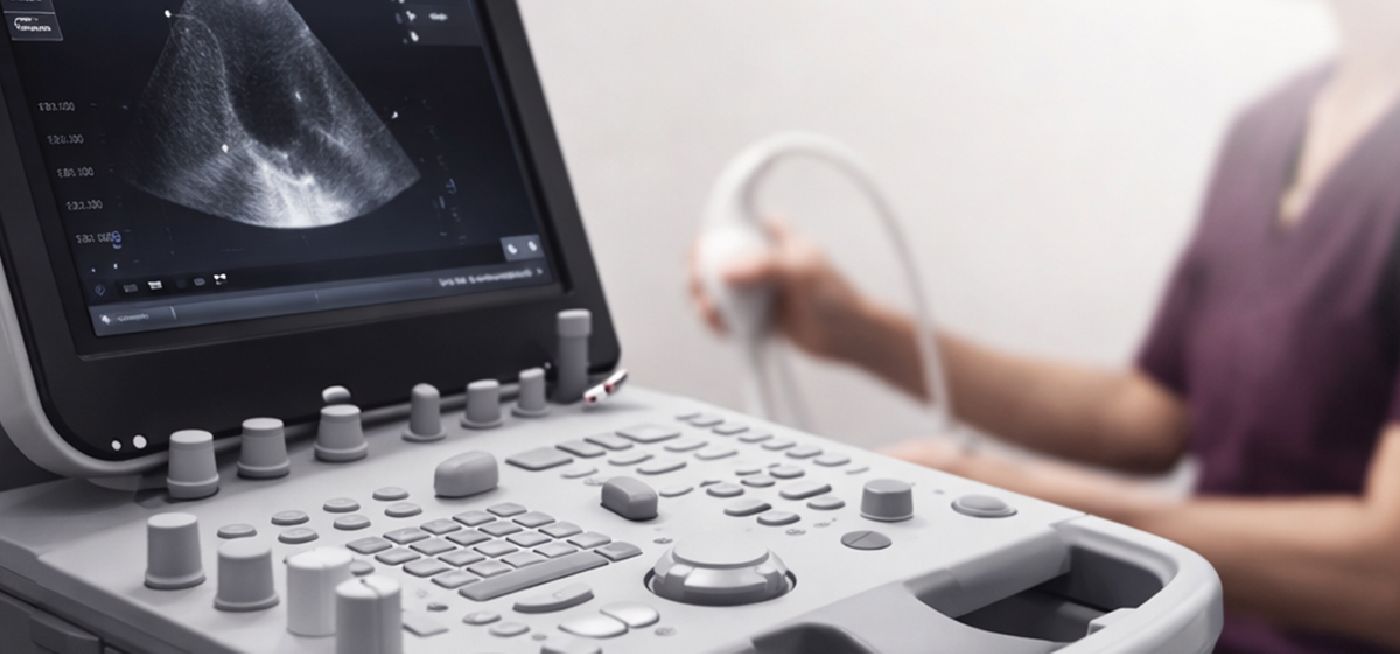
What Should You Consider When Choosing an Echocardiography System?
Echocardiography is one of the most widely used imaging methods for diagnosing and monitoring cardiovascular diseases. By providing detailed visualization of heart structures, valve function, and blood flow, this technology plays a vital role in modern cardiology. Selecting the right echocardiography system can significantly improve diagnostic accuracy and clinical workflow efficiency.
For healthcare institutions, choosing an echocardiography system should not be based solely on image quality. Clinical requirements, ease of use, system integration, and long-term maintenance considerations must also be carefully evaluated.
1. Image Quality and Advanced Technology
High-quality imaging is the most important feature of any echocardiography system. Clear and detailed images enable cardiologists to make more accurate diagnoses.
Modern systems often include:
- High-resolution ultrasound imaging
- Advanced Doppler technologies
- 3D and 4D imaging capabilities
- Automated measurement and analysis tools
These features help clinicians assess cardiac function quickly and accurately.
2. Suitability for Clinical Applications
Different healthcare facilities have different clinical needs. Therefore, the selected echocardiography system should match the intended clinical use.
For example:
- Advanced cardiac analysis tools for cardiology departments
- Portable systems for intensive care units
- Fast imaging solutions for emergency departments
Choosing the right system ensures that clinical teams can perform examinations efficiently.
3. Ease of Use and Ergonomic Design
User-friendly systems improve workflow efficiency and reduce operator fatigue. Intuitive interfaces and ergonomic design help clinicians perform examinations faster and more comfortably.
Key usability features include:
- Touchscreen interfaces
- Automatic image optimization
- Customizable user settings
These capabilities are especially valuable in high-volume clinical environments.
4. Integration with Hospital Systems
Modern healthcare environments require medical devices to integrate seamlessly with digital hospital infrastructure.
Echocardiography systems should be compatible with:
- PACS (Picture Archiving and Communication Systems)
- Hospital Information Systems (HIS)
- Electronic medical records (EMR)
System integration enables faster data sharing and improved collaboration between clinical teams.
5. Service, Maintenance, and Long-Term Cost
The purchase price is only one part of the investment. Healthcare facilities should also consider the long-term operational costs and technical support services.
Important factors include:
- Reliable technical support
- Software updates and upgrades
- Preventive maintenance programs
- Availability of spare parts
Strong service support ensures that the equipment remains reliable and efficient over time.
Selecting the right echocardiography system is a critical decision that directly impacts diagnostic accuracy and clinical efficiency. By evaluating image quality, clinical suitability, usability, system integration, and long-term service support, healthcare institutions can make more informed technology investments.At Uniarch Clinical Engineering, we support healthcare facilities with medical equipment selection, technical infrastructure planning, and clinical engineering consulting, helping organizations implement reliable and future-ready healthcare technologies.


